In October I spent some time in San Pedro de Atacama, for a spring break – although I’m not sure that spring is really a concept in a desert. However, being spring meant that it was a moderate temperature, both at night (not freezing) and during the day (not incredibly hot, merely high 20s in the afternoon). Arriving at Calama airport and driving over to San Pedro, my first impressions were featureless desert, dotted with mines, wind farms and solar panels.
However, as we neared San Pedro, gently climbing all the time and going over a pass of over 3,000m (the town sits at 2,400m), the landscape became more interesting. Rocks sculpted by moisture and wind; perfect volcanoes punctuating the skyline; pinpricks of green showing where rivers ran and water provided life. The small town of San Pedro benefits from being located where two rivers join together – the eponymous Rio San Pedro and Rio Vilama. Ancient peoples settled this area around 12,000 years ago and their descendants, the Atacameños or Licanantay, survived incorporation into the Inca Empire in the 1500s and then the Spanish Conquest and still live in communities across the area. Gradually Chile is recognising the rights of its indigenous groups and in this area it means that many of the natural reserves are managed with the local communities and their beliefs are respected more frequently.
I settled happily into the lovely Hotel Terrantai, a cool, calm oasis, in the very centre of town, notable for the exemplary customer service of the staff and the way that “ayni”, a local custom of reciprocity, was woven into the hotel’s care for its customers. My favourite example was nightly “wine-tasting”, when from 7pm to 9pm several wines were on offer, accompanied by delicious olives, cheeses, breads and dips; a fire and an encouragement by the staff for to guests to talk to each other. A very calm, relaxing end to each day.
I spent 5 nights in San Pedro and at first I was a little underwhelmed by the small town, made of adobe and sand blowing through the streets. I was overwhelmed by the concentration of tour vendors, tourist restaurants and shops with everything a tourist might want. It is without doubt a tourism hotspot and I had the sense that somewhere else the real life of the town was going on. Not my preferred type of travel but a necessary evil for this particular location.
I had chosen to leave buying tours until I got to San Pedro in the belief that I would be able to make a better choice of what to do once I was there. However on my first afternoon I was confused by the cacophony of offers and didn’t want to commit to anything! In the end I settled for buying a tour to the Valley of the Moon for the following afternoon and then went back to the hotel and did some serious online research. The following morning I was ready to book the rest of my tours for the week.
Despite my dislike of the town and the circus of tour sales, once I started travelling in the area I began to appreciate what all the fuss is about. Around San Pedro, the combination of wind, water, minerals and rocks combine to produce memorable, vast landscapes. The Valley of the Moon has been sculpted over time by the wind to produce extraordinary shapes and sand dunes. Unexpectedly there are salt covered slopes where the salt crystals expand and contract in response to changes in temperature and you can listen in silence to the sounds of cracking, like tiny glacier noises in the desert. In the National Flamingoes Reserve, I visited Laguna Chaxa, a lake open to tourists to see flamingoes, beautifully managed to control the impact visitors have on the birds.
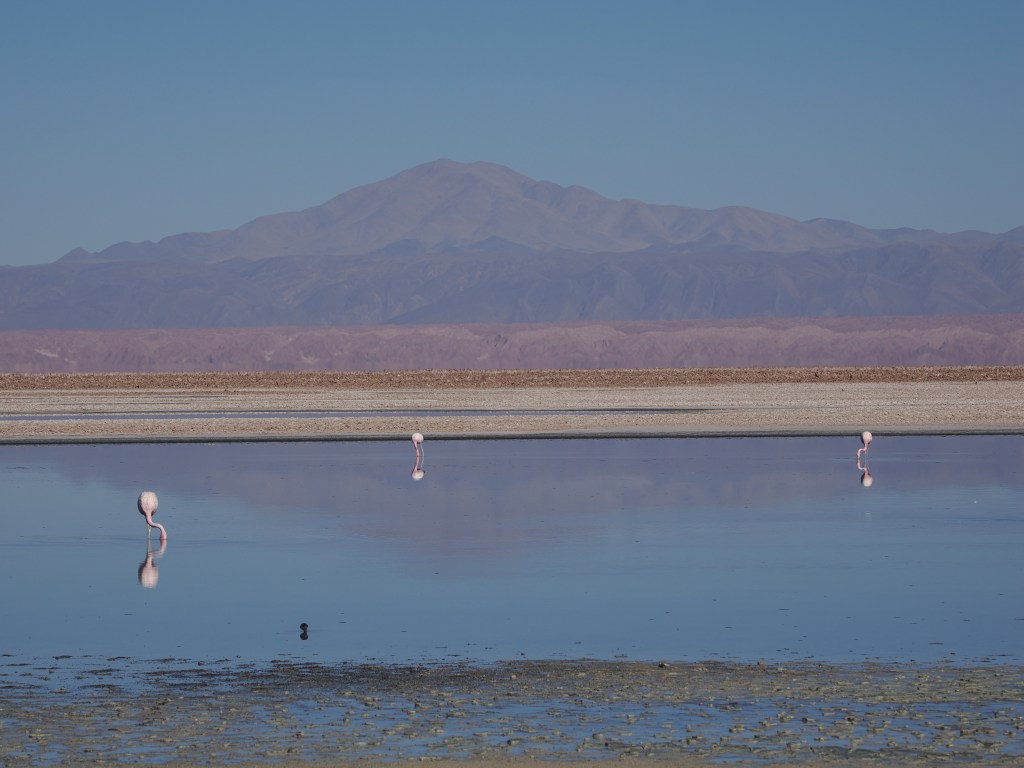
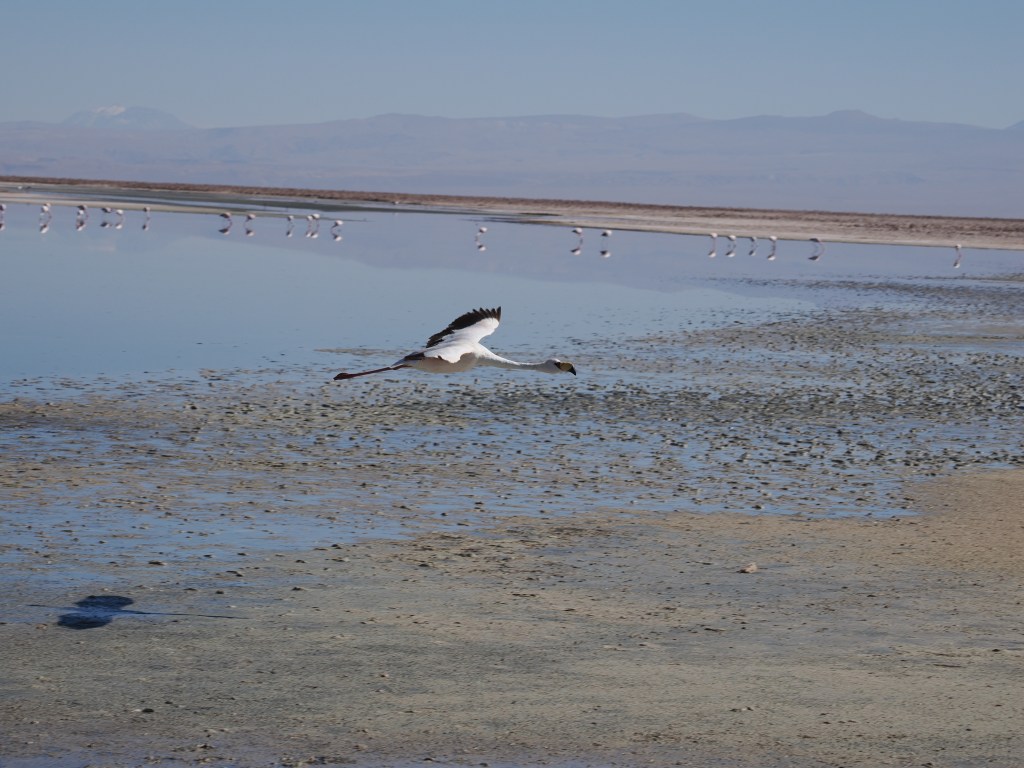
It’s also possible to go up the Altiplano and visit pristine lakes. As we climbed up towards 4,000m I found myself grinning from ear to ear. I love being in high mountains, there’s something about the blue of the sky, the yellower grass, the peaks of the mountains with smudges of snow and the clarity of the lakes. It never fails to make me happy and to feel at peace.
On my last day, I went to the Geysers del Tatio. I was picked up at 5am and the minibus drove through the dark, at first on a standard road and then on unpaved roads that reminded me of the Falklands. Driving these was not for the faint-hearted, particularly as the professional drivers, who knew exactly where they were going and how their vehicles handled, drove them at speed. The point of the early start was to arrive at the geyser field in the pre-dawn twilight, when the field is most active and the steam can be seen really clearly. It was a fascinating visit and our guide’s explanations were excellent. High quality guiding is something I’ve been really impressed with in Chile, both here and elsewhere. The guides in national parks all seem to have high level qualifications, an industry accreditation and take their jobs seriously. I loved the enthusiasm of my guide to the petroglyphs – she had specialised in them during her tourism degree and her passion and energy was infectious.
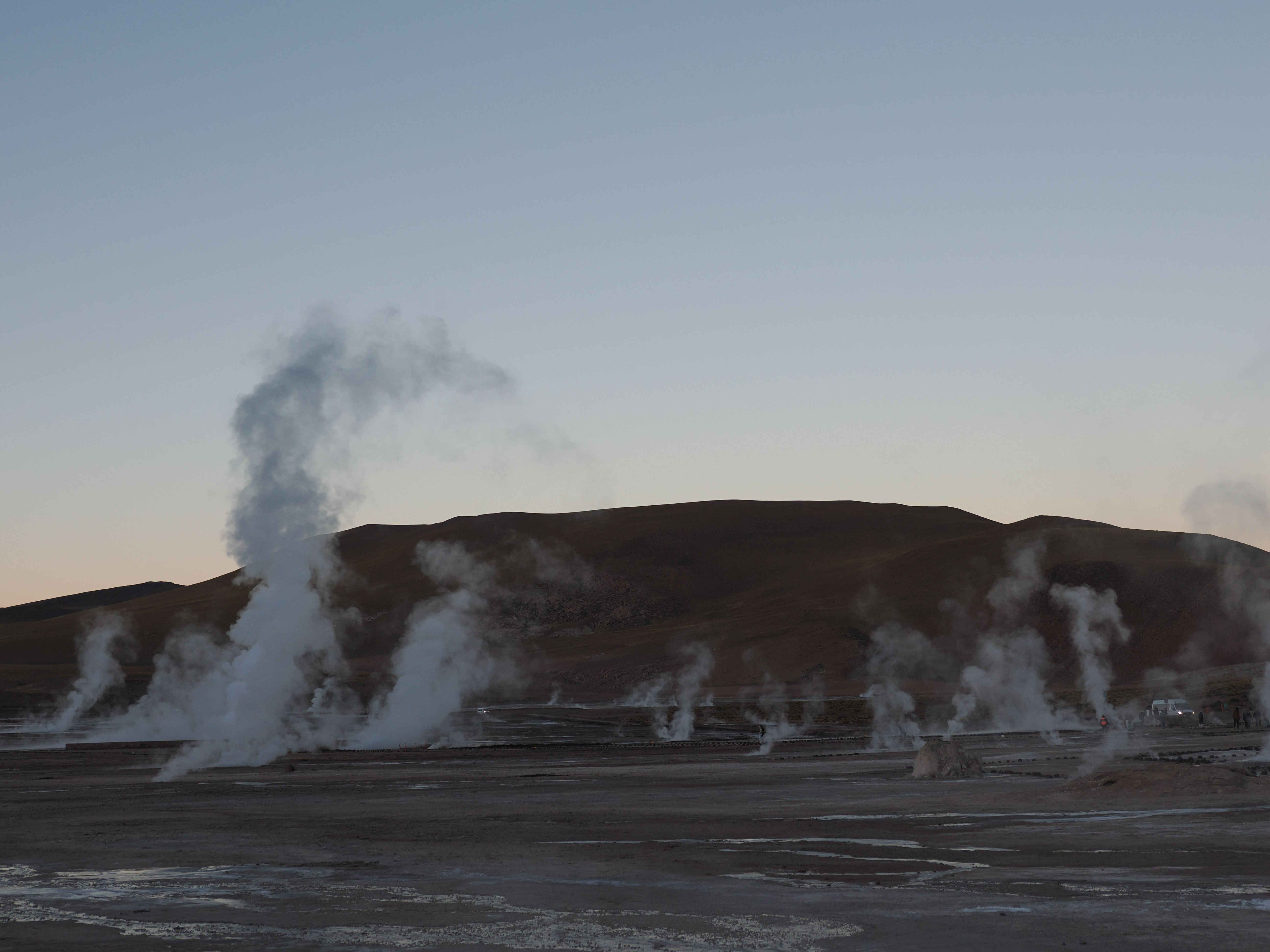
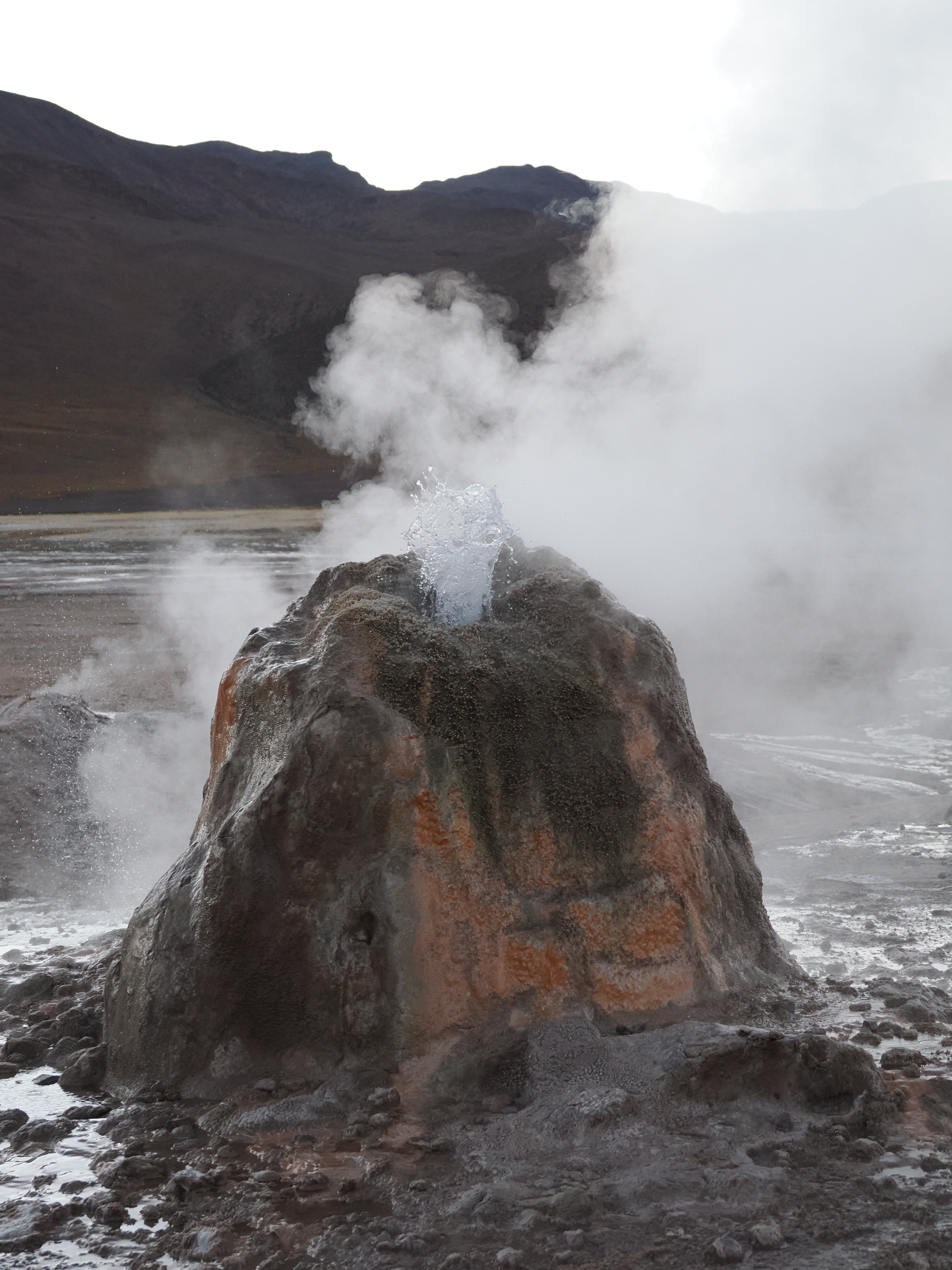
As I travelled back across the desert to Calama, I saw the landscape with different eyes from those I had arrived with, more attuned to the variety and beauty that this seemingly harsh area offers and wondering whether I should come back. This area has definitely got under my skin, not something that I expected and proof yet again, that nothing beats experiencing places in person.
 Where is Sarah?
Lovely Sarah,
Would like very much to chat to you in person about chile. Very much on the ‘visit before I die’ list…
We are in Durgan over Xmas. A tiny hamlet of a dozen houses by the edge of the Helford River outside Falmouth. We are in a tiny cottage with the children and our beloved pussy cats.
Xxx
Sent from Outlook for iOShttps://aka.ms/o0ukef
LikeLike